
Mindfulness Monthly Memo | August Issue
 The theme of this month is “Altruistic August,” focusing on the benefits of doing things for others and engaging in acts of kindness. The act of altruism involves helping others without expecting anything in return. Altruism can range from small, daily acts of kindness, such as holding the door open for a stranger, to extraordinary actions, such as risking one’s life for another’s. Regardless, being altruistic is driven by feelings of empathy, compassion, and concern for the well-being of others, rather than expecting a personal reward.
Generally, most people are born with altruistic tendencies and feel inclined to help others. However, the extent to which one acts altruistically varies between individuals and depends on multiple factors, such as motivation. There are several reasons why individuals are motivated to practice altruism and genuine selfless behavior. One of the strongest motivators found by research is empathy, or the ability to understand another person’s feelings, in which an individual may witness someone experiencing hardship and feel compelled to help because they can imagine themselves in the other person's situation. Other motivations include personal values, moral beliefs, cultural influences, and personal upbringing. Overall, the individual’s intention to improve another person’s well-being is what makes the behavior altruistic.
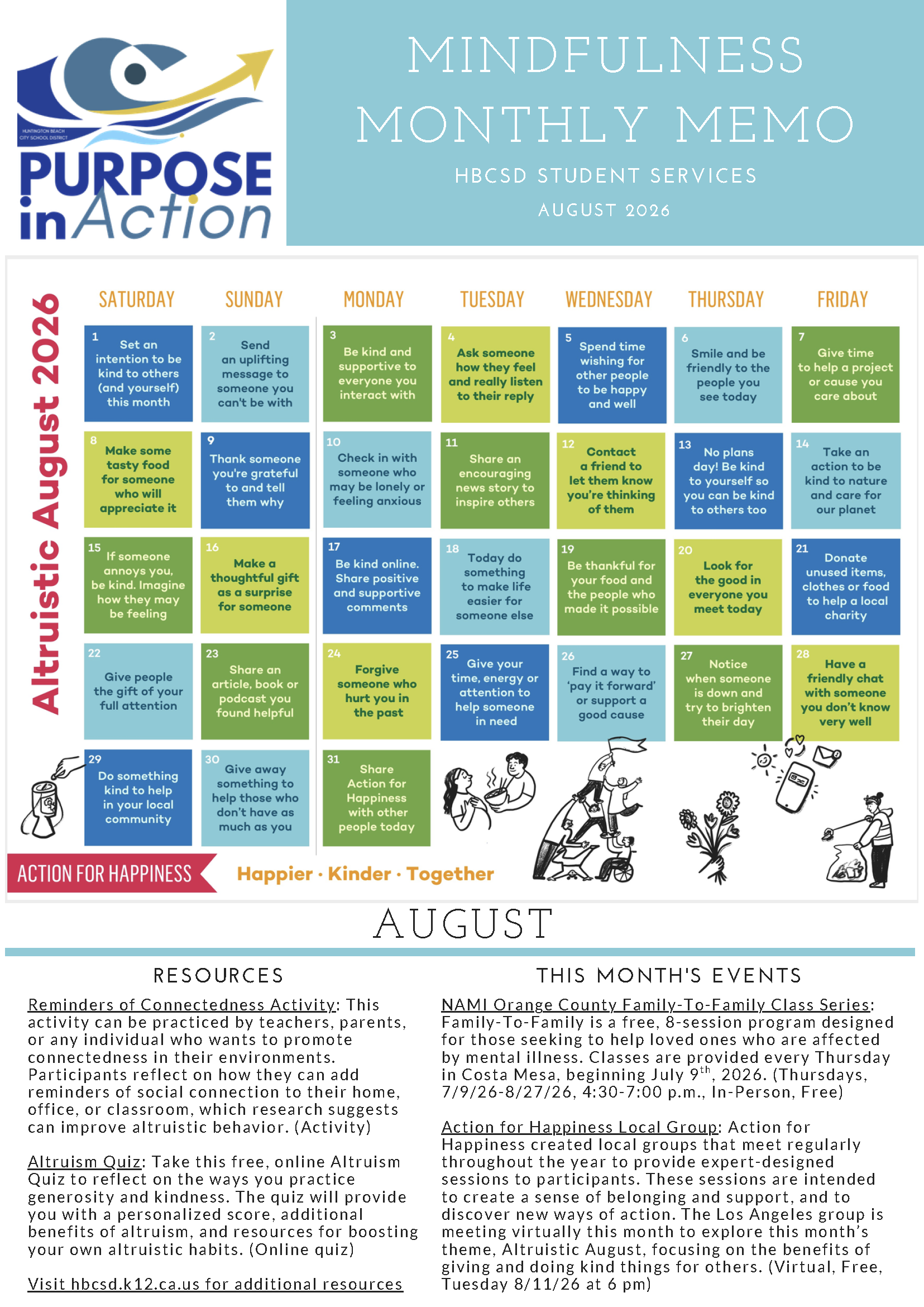
There are many benefits to practicing altruism, not just for the individual receiving the act of kindness, but for the individual practicing altruism as well. Although altruistic actions may appear selfless, science shows that helping others improves one’s emotional well-being while also promoting trust with others, encouraging cooperation, and creating stronger social bonds. Furthermore, even small acts of kindness can encourage others in your community to act altruistically as well. Overall, altruism is an important factor of human behavior and contributes to a more supportive and connected society while also benefiting the altruistic individual. Try some of the following altruistic acts and start noticing the benefits!:
Volunteer in your community
Cook a meal for a friend or a neighbor
Donate clothes, food, etc. to charities
Pick up litter in the park
Say hello or compliment a stranger
Listen to a friend or family member who is struggling
Write a thank you note to show appreciation
Appendix
Psychology Today (2026, February 17). Altruism. Psychology Today. https://www.psychologytoday.com/us/basics/altruism